


Safety with every heartbeat as the heart regains its rhythm
Traditional temporary cardiac pacing: limitations and associated complications
More than 2 million procedures requiring temporary cardiac pacing are performed worldwide each year. These include emergency interventions for conditions such as bradyarrhythmias, as well as scheduled procedures such as cardiac surgery, TAVI, septal ablations and CIED (*) infections or replacements.
(*) Cardiac Implantable Electronic Device

There is currently a very high complication rate—around 35% [1]—associated with the use of traditional (non-fixation) temporary pacemakers in these types of cases, most notably:
- Loss of capture
- Ventricular arrhythmias
- Infections
- Cardiac perforations

At the same time, these procedures entail a series of associated issues that affect both the patient and the healthcare system:
- The need for continued admission to the ICU or IMCU (**).
- Restricted mobility increases the risk of agitation, disorientation, and thrombotic events, and also delays the rehabilitation process.
- Increased hospital length of stay and mortality.
- The rushed implantation of permanent pacemakers to avoid the problems associated with conventional temporary pacemakers.
- High healthcare costs.
(**) Intermediate Medical Care Unit
Recommendations
In this context, the European Guidelines on Cardiac Pacing state that a percutaneous transvenous active-fixation electrode connected to an external device is safer and more comfortable for patients requiring long-term use of temporary cardiac pacing; consequently, traditional non-fixation systems are not the optimal choice.
Accordingly, there is currently a high prevalence of the use of externally implantable pacemakers, as endorsed by the European Society of Cardiology’s guidelines on cardiac pacing: a percutaneous transvenous active-fixation electrode connected to an external device is safer and more comfortable for patients requiring long-term temporary pacing.

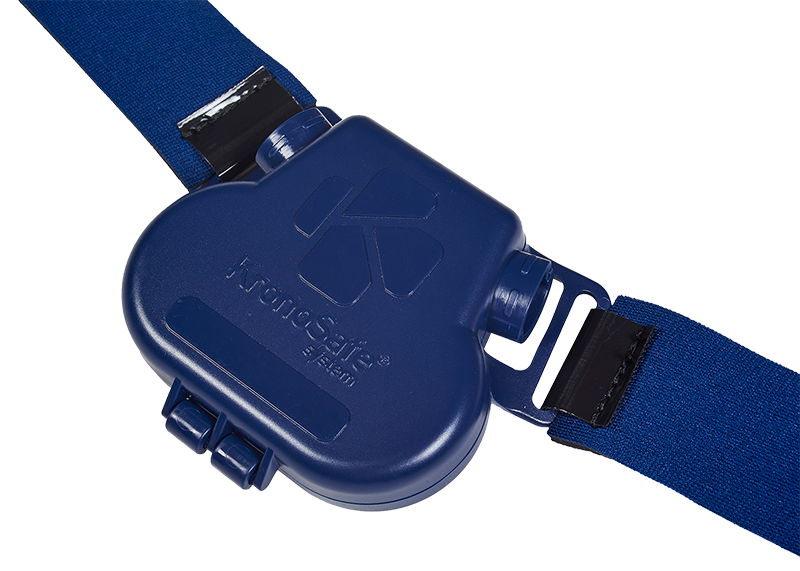
The KronoSafe® device
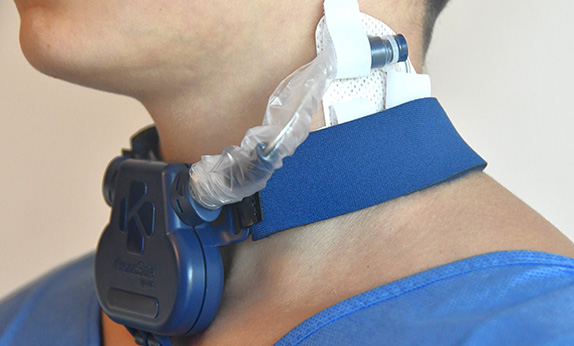
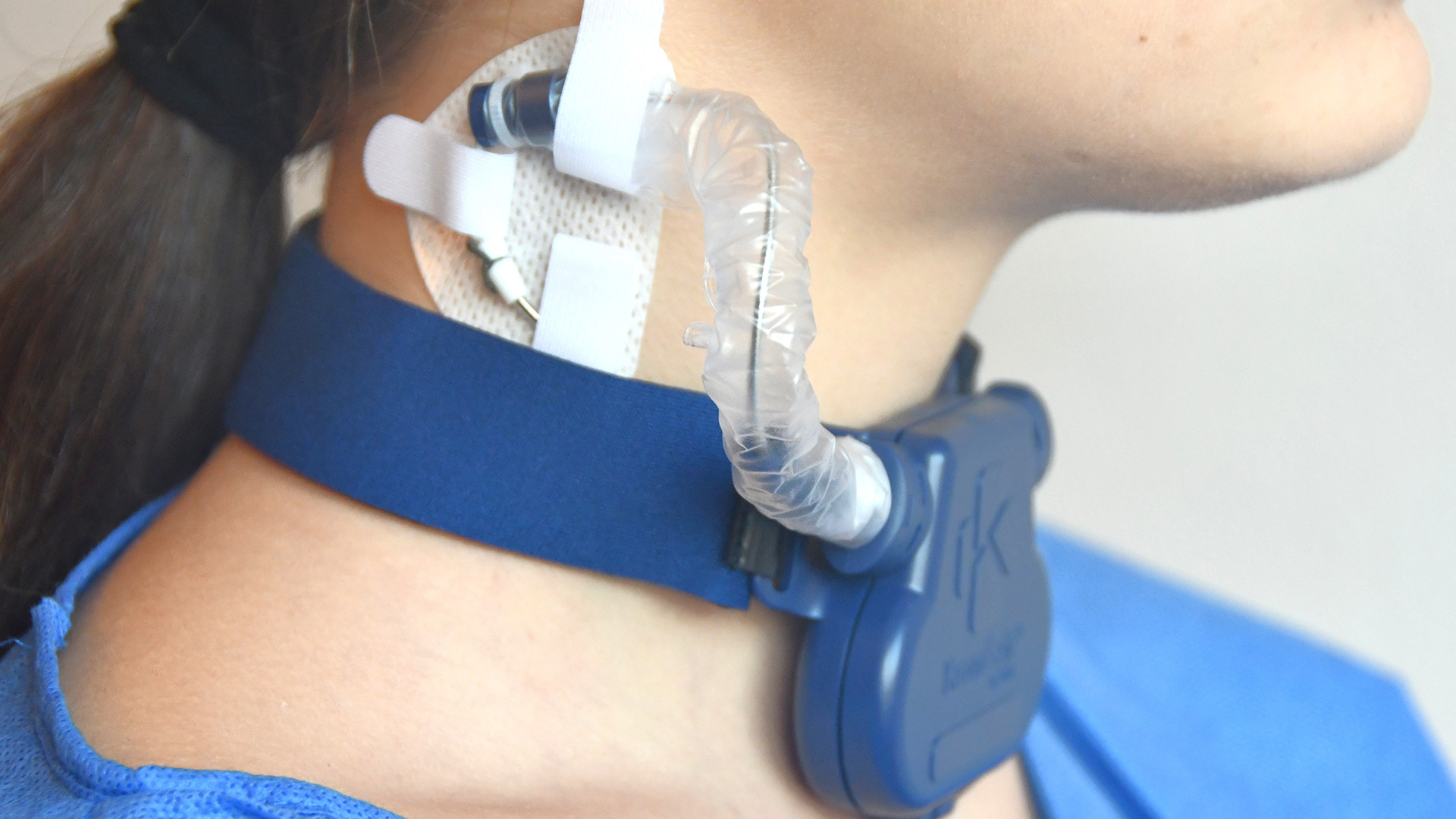
It is a medical device that allows for the secure and stable attachment of temporary cardiac pacing systems with active-fixation leads.
It acts as a receptacle to hold the pacemaker, securing it in the patient’s cervical region in an easy and comfortable manner, thereby facilitating early ambulation and improving the patient’s autonomy.
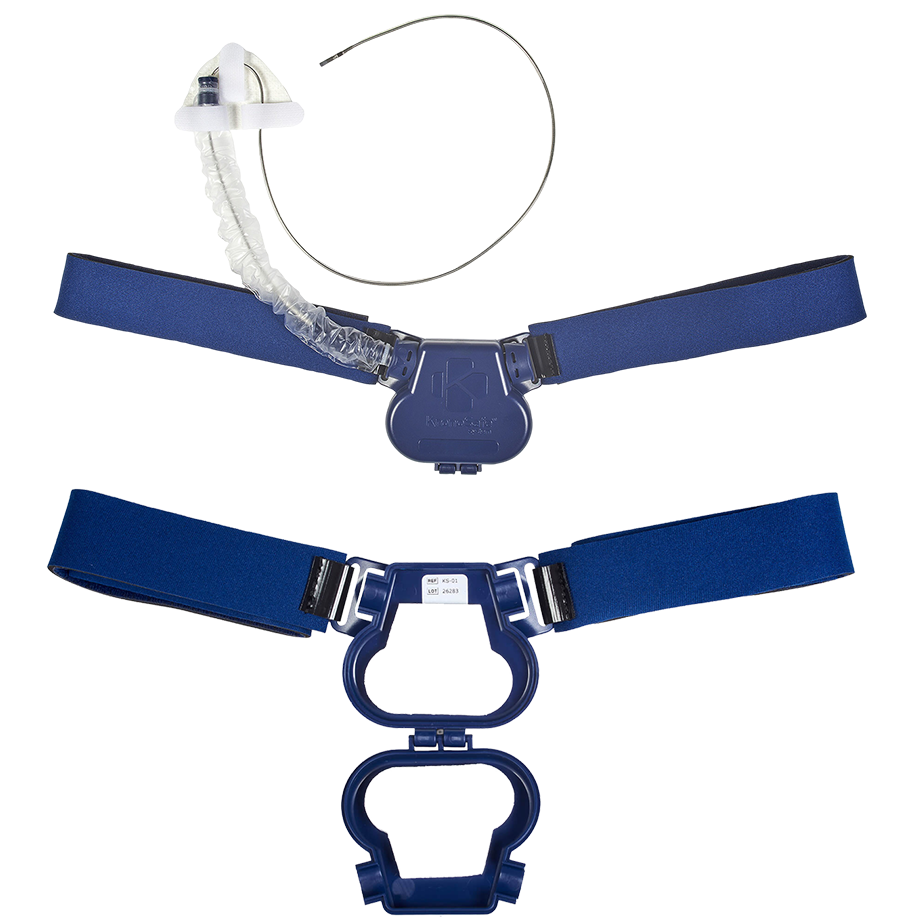
Generator housing
Cushion
Electrode outle
Side snap cap
Cervical strap
Transparent electrode cover
Electrode retention dressing
Key benefits
CLINICAL [1][3][4]

· A reduction of the complication rate in temporary cardiac pacing to less than 5%.
· No mobility restrictions, allowing for safe ambulation and thereby preventing complications associated with immobility (such as pressure ulcers, blood clots, etc.).
· Early rehabilitation, as the need for bed rest during treatment is avoided.
· Higher probability of restoring the patient’s own heart rhythm through safe, long-term pacing
· Improved prognosis and clinical assessment, as more time is available for temporary pacing; this leads to a reduction in unnecessary permanent pacemaker implantations, thanks to a higher rate of recovery of the patient’s own heart rhythm.
· Patient comfort
· Great ease of use
· Use of resources under appropriate hygienic conditions
ECONOMIC AND HOSPITAL MANAGEMENT (***)

· A reduction of approximately 55.72% in average hospital care costs per patient [1]
· A reduction in the duration of admissions and stays in critical care units by nearly 80%, decreasing from an average of 7 days to 1.4 days.
· A reduction in care costs due to shorter ICU stays, as patients can instead stay in general hospital wards that require fewer resources. [1][3]
· A reduction in costs associated with the treatment of complications during temporary cardiac pacing, such as: [1]
– Lead dislodgement and subsequent pacing failure, which occurs in 21% of cases when using a temporary cardiac pacing system without a fixation mechanism, compared to less than 1% with active-fixation systems.
– Cardiac perforations: these occur in 2.6% of cases involving conventional temporary pacing, with treatment costs exceeding €30,000 in Spain. This complication is extremely rare when active-fixation systems are used. [1]
· Reducing unnecessary permanent pacemaker implantations and their associated costs. The lack of safety and effectiveness of conventional, non-fixation temporary pacemakers—specifically regarding their ability to maintain adequate ventricular capture—often leads to hasty clinical decisions. To avoid complications, if a patient does not regain their natural heart rhythm within the first 24–48 hours, a permanent pacemaker is typically implanted. The use of active-fixation temporary pacemakers allows for an extended duration of temporary pacing without increasing risk to the patient, thereby facilitating a delayed recovery of the heart rhythm and avoiding the need for a permanent pacemaker. This scenario is common in patients undergoing TAVI (transcatheter aortic valve implantation), who may experience a delayed recovery; In this group, a permanent pacemaker is ultimately implanted in 50% of cases. [5]
· Greater system efficiency: better clinical outcomes at a lower cost [1]
The benefits provided by the KronoSafe® device are highly significant in a world experiencing a sharp rise in cardiovascular diseases and interventional cardiology procedures.
(***) In a European context
Hospital units and primary uses
The hospital units where the use of KronoSafe® would be appropriate are primarily:
- Cardiology / Arrhythmias
- Intensive Care Unit
- Cardiac Surgery / Hemodynamics
And the most suitable procedures for its use include:
- TAVI / Alcohol septal ablations
- CIED (pacemaker) infections
- Cardiac surgeries
- Emergency bradycardia
- Replacement and malfunction of permanent pacemakers
Sequence of use
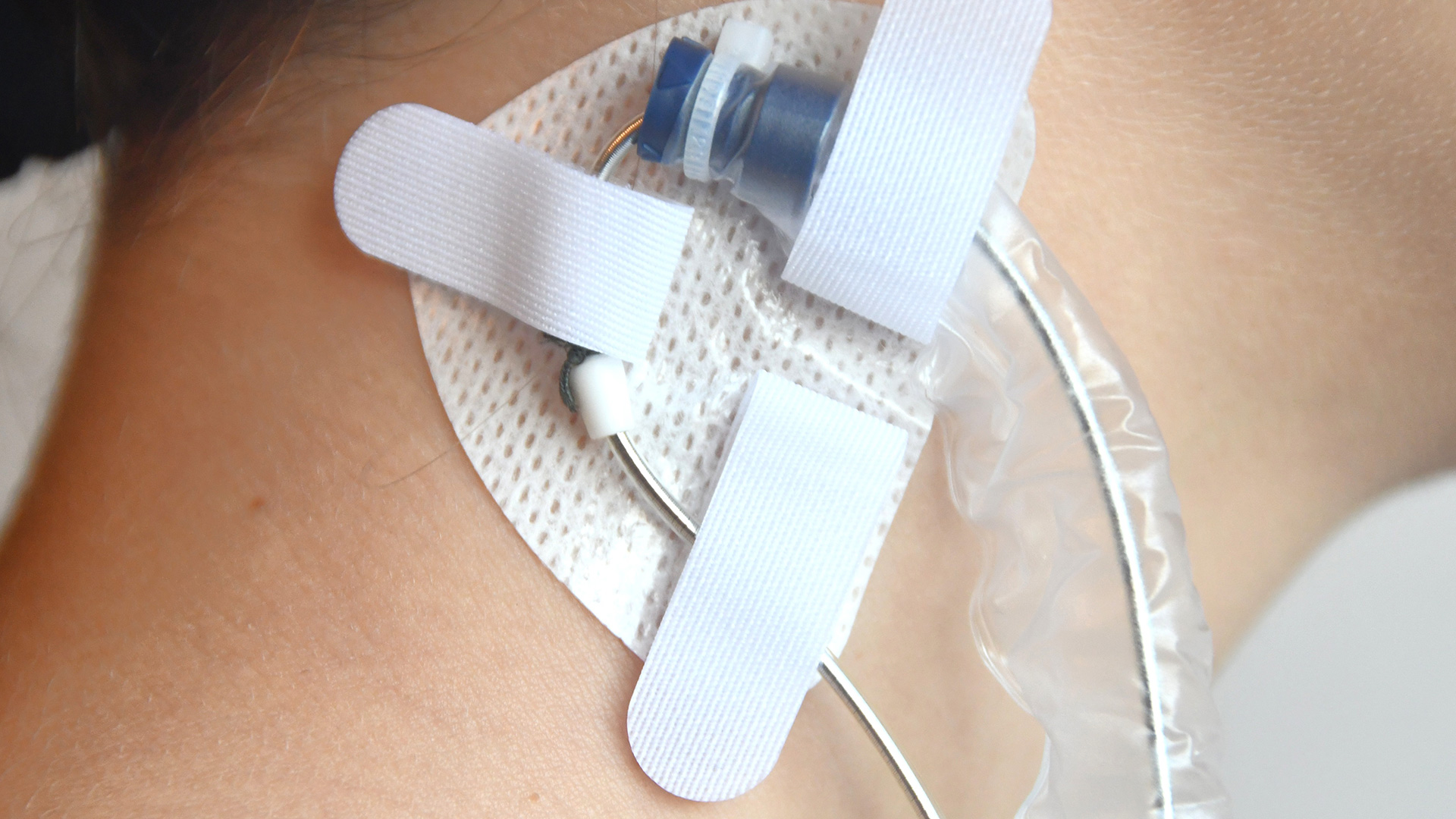
Once the pacemaker electrode has been implanted in the patient’s right ventricle and its proper functioning has been verified, the white silicone part is secured to the neck with 2–3 sutures, and the dressing is applied:
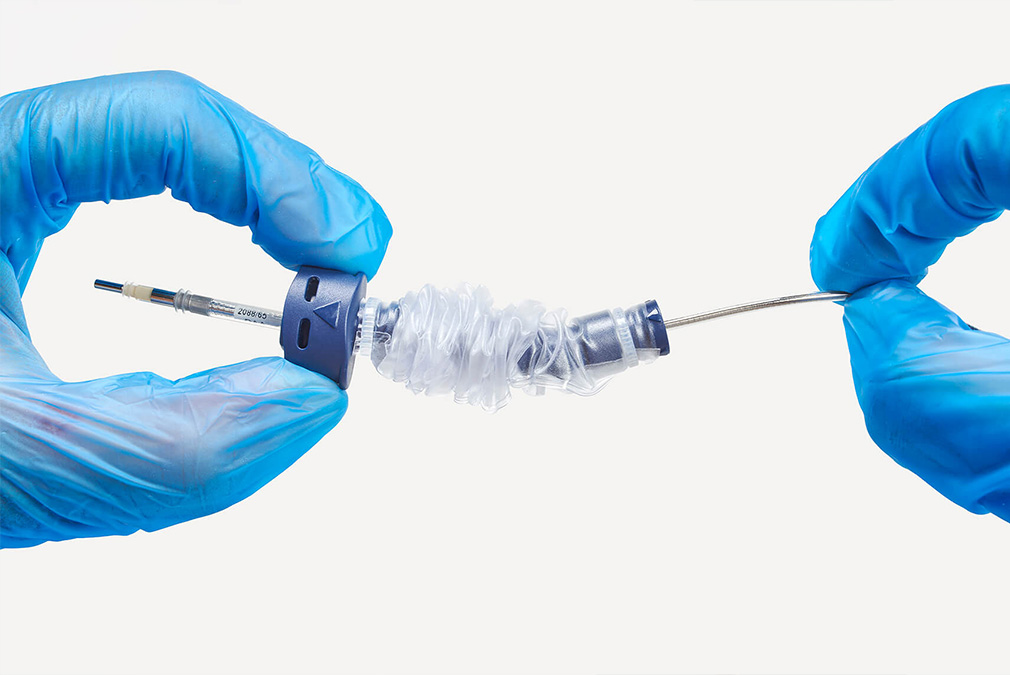
Step 1
Insert the electrode through the electrode exit port.
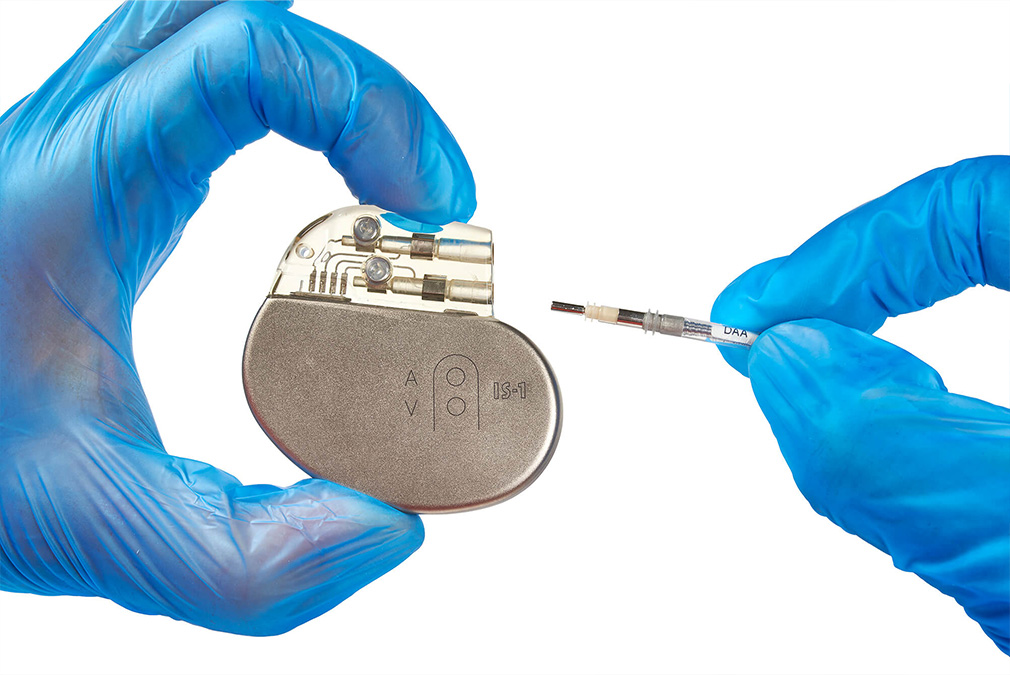
Step 2
Connect the electrode to the pacemaker generator.
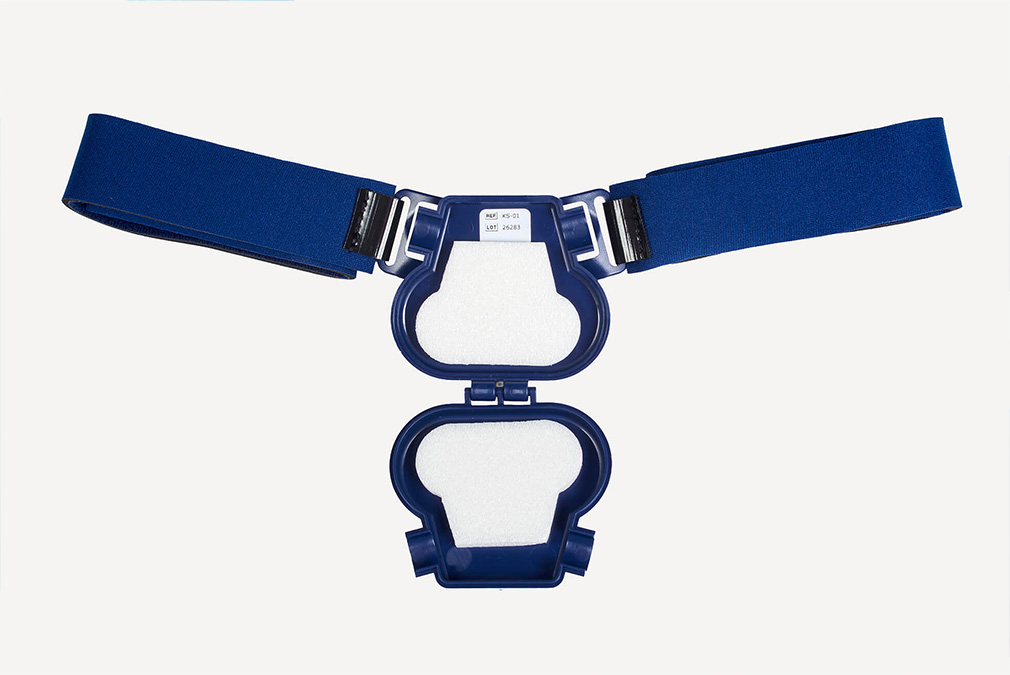
Step 3
Open the housing.
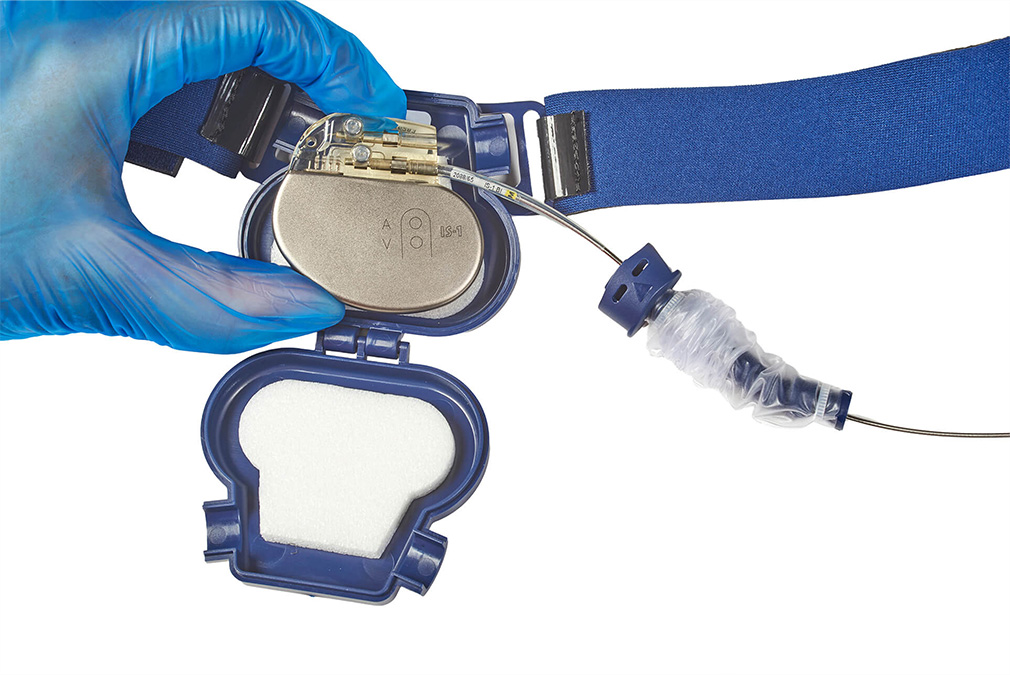
Step 4
Insert the pacemaker generator into the housing.
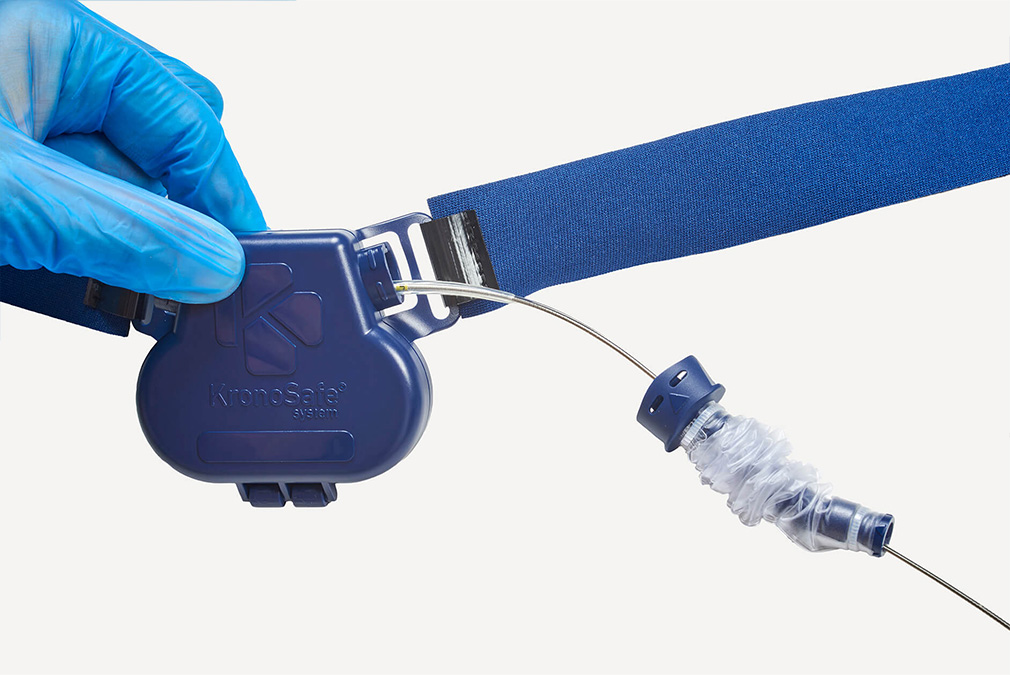
Step 5
Close the housing by applying light pressure. The internal pad will keep the pacemaker generator from moving.
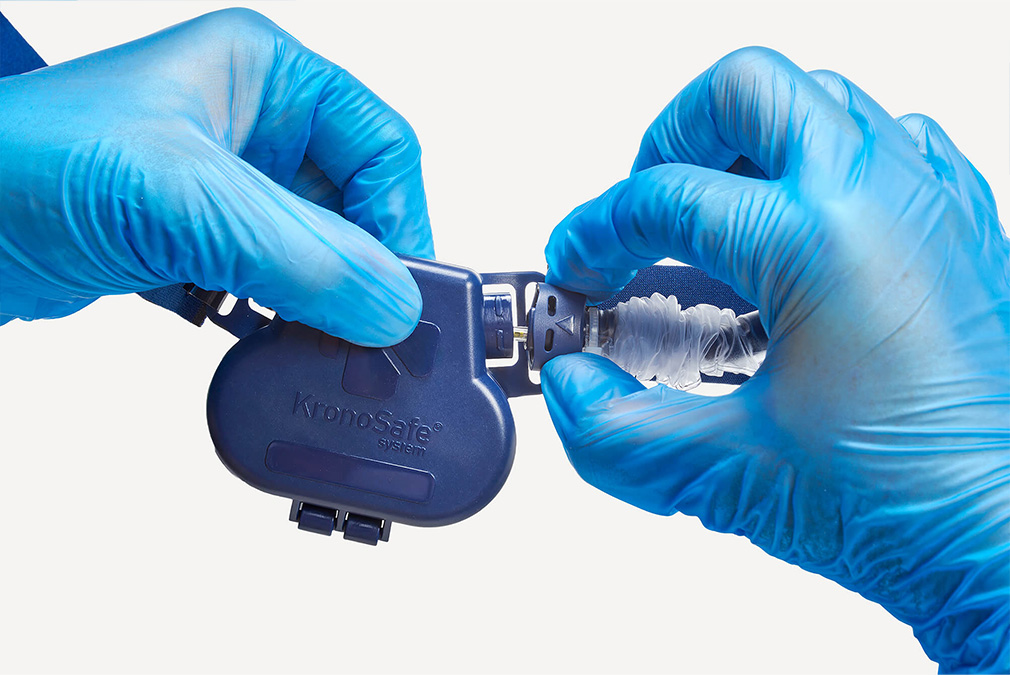
Step 6
Secure the electrode exit tube while maintaining pressure on the housing.
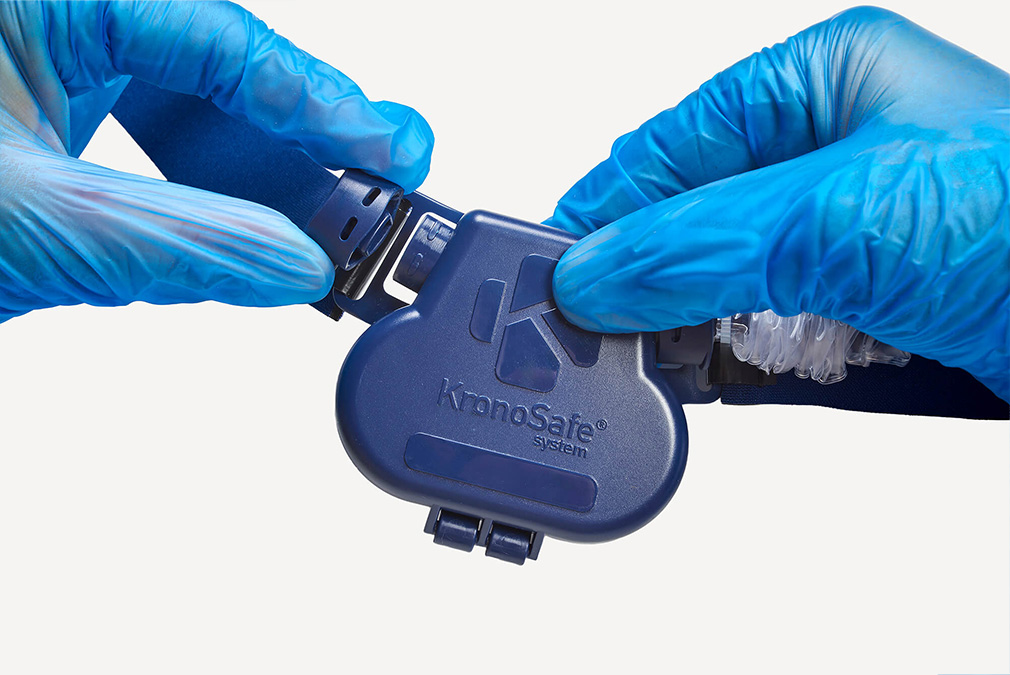
Step 7
Attach the side cap on the side opposite the electrode entry point to complete the closure of the housing.
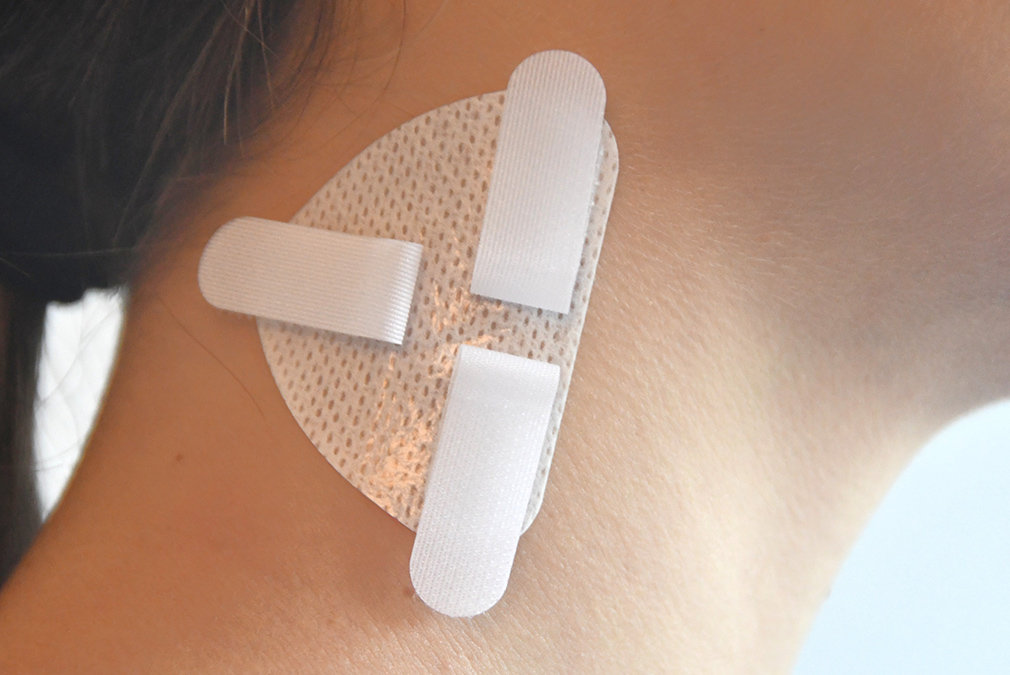
Step 8
Affix the electrode-securing dressing to the patient’s neck.
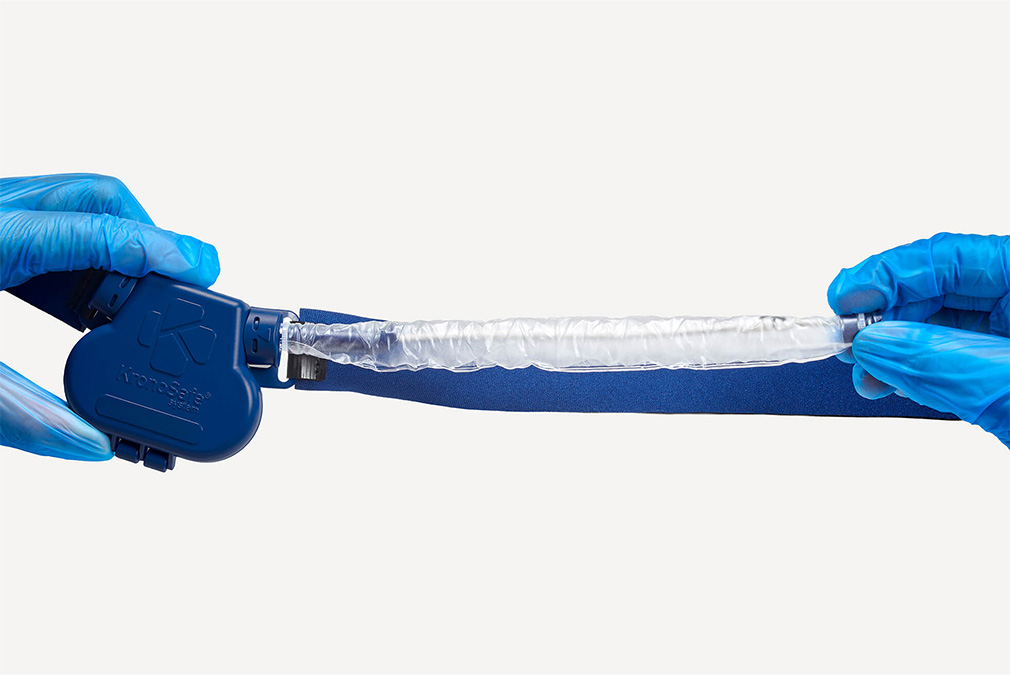
Step 9
Extend the transparent tube toward the dressing area.
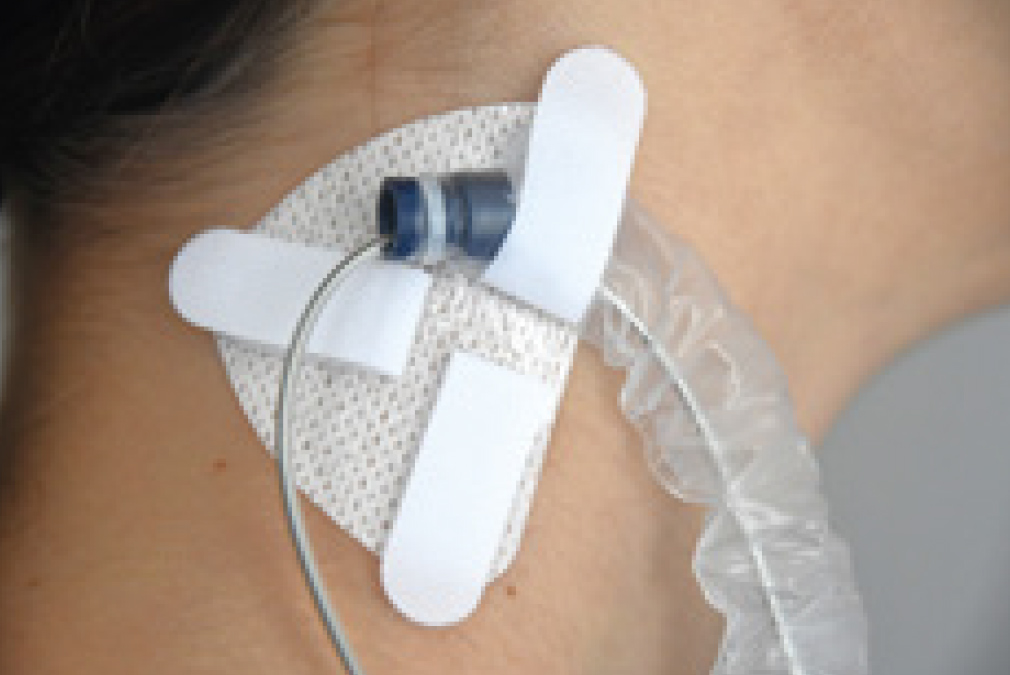
Step 10
Secure the transparent tube to the dressing using the first Velcro fastener.
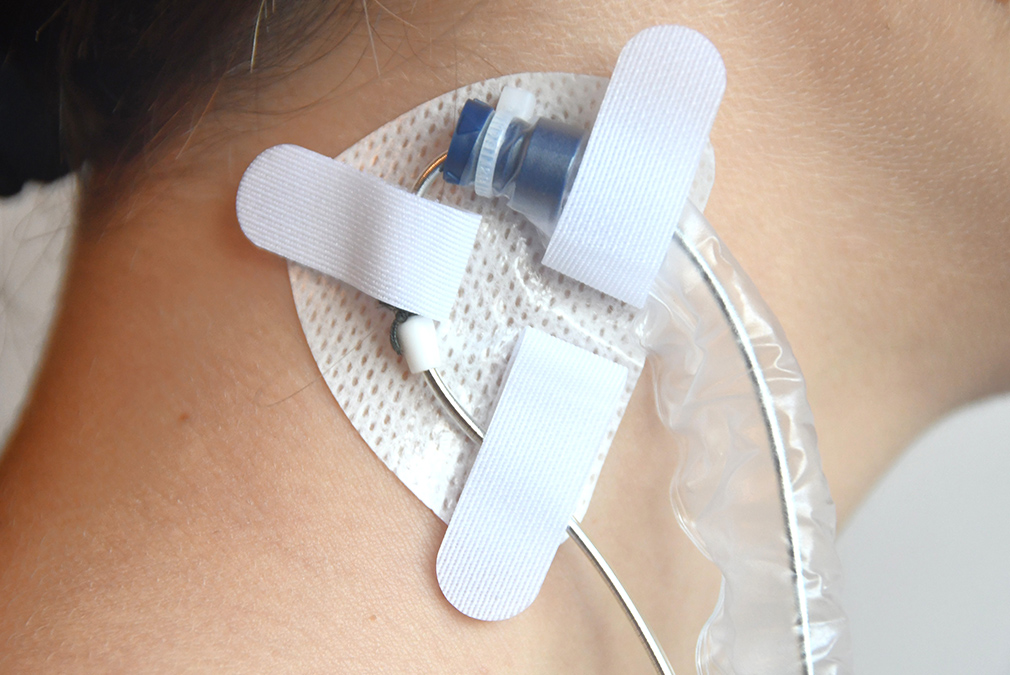
Step 11
Secure the electrode to the dressing using the other two Velcro fasteners.
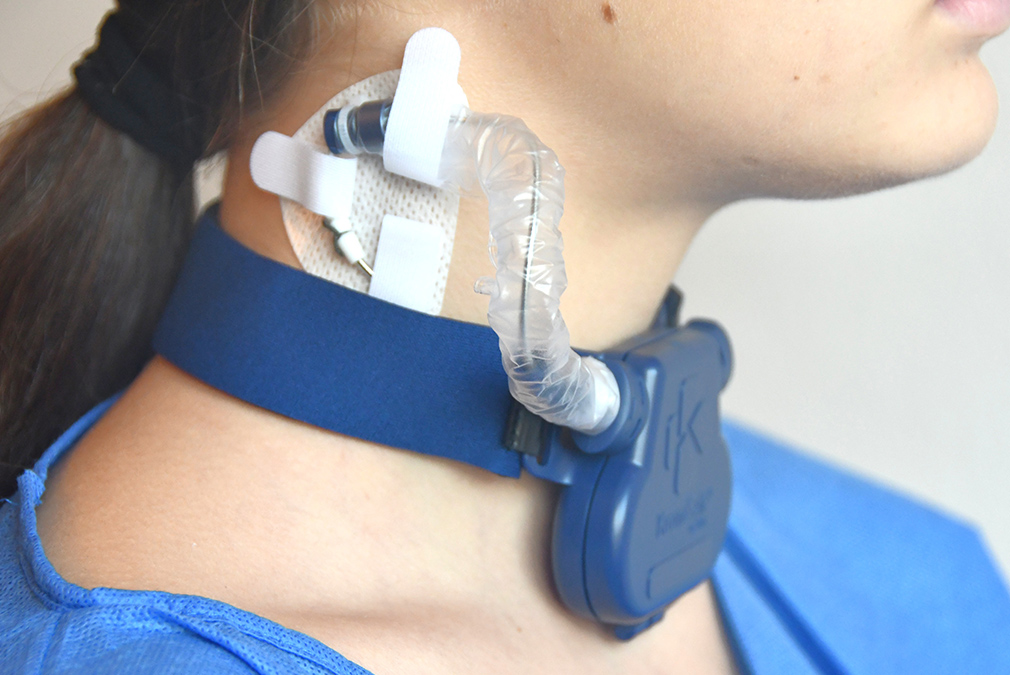
Step 12
Adjust the strap around the patient’s neck so that the housing is held comfortably in place, adapting it to the specific dimensions required for each case.
Technical specifications
The main components of the device are manufactured from USP Class VI medical-grade plastic and a textile fastening system.
Referencias
KS-01: Single unit
KS-01/3: Box of 3 units
Estudios y ensayos publicados
- Vicente-Miralles R, Rivas-Gándara N, Antón Pascual JL, Adeliño R, Ajo Ferrer R, Núñez Martínez JM, et al. Temporary pacing with active-fixation leads: clinical and economic impact versus conventional temporary transvenous pacing. J Clin Med. 2026;15:125. doi:10.3390/jcm15010125.
- Glikson M, Nielsen JC, Kronborg MB, Michowitz Y, Auricchio A, Barbash IM, et al. 2021 ESC Guidelines on cardiac pacing and cardiac resynchronization therapy. Eur Heart J. 2021;42(35):3427-520. doi:10.1093/eurheartj/ehab364
- Vicente-Miralles R, Martín-Langerwerf DA, Núñez-Martínez JM, Marco-Juan A, Sangio-Ferreyros AD, Dávila-Arias A, et al. A new fastening system for temporary pacing with active-fixation leads: effectiveness and safety. Eur Heart J Acute Cardiovasc Care. 2022;11(3):224-9. doi:10.1093/ehjacc/zuab119
- Vicente-Miralles R, Rivas-Gándara N, Jordán Marchite P, Adeliño R, Carmona MÁ, Díaz Barranco M, et al. A novel device for temporary cardiac stimulation using permanent pacemaker generators and active-fixation leads: the TEMPACE multicentre prospective study. Eur Heart J Acute Cardiovasc Care. 2025;14(12):732-8. doi:10.1093/ehjacc/zuaf111
- Huang HD, Mansour M. Pacemaker implantation after transcatheter aortic valve replacement: a necessary evil perhaps but are we making progress? J Am Heart Assoc. 2020;9:e016700. doi:10.1161/JAHA.120.016700
Instructions for Use (IFU)
Available starting in December